
Build an approval‑ready credit profile
Understand what’s driving your credit decisions, identify items that may be unfair or inaccurate, and take a structured next step toward stronger approvals and better terms.
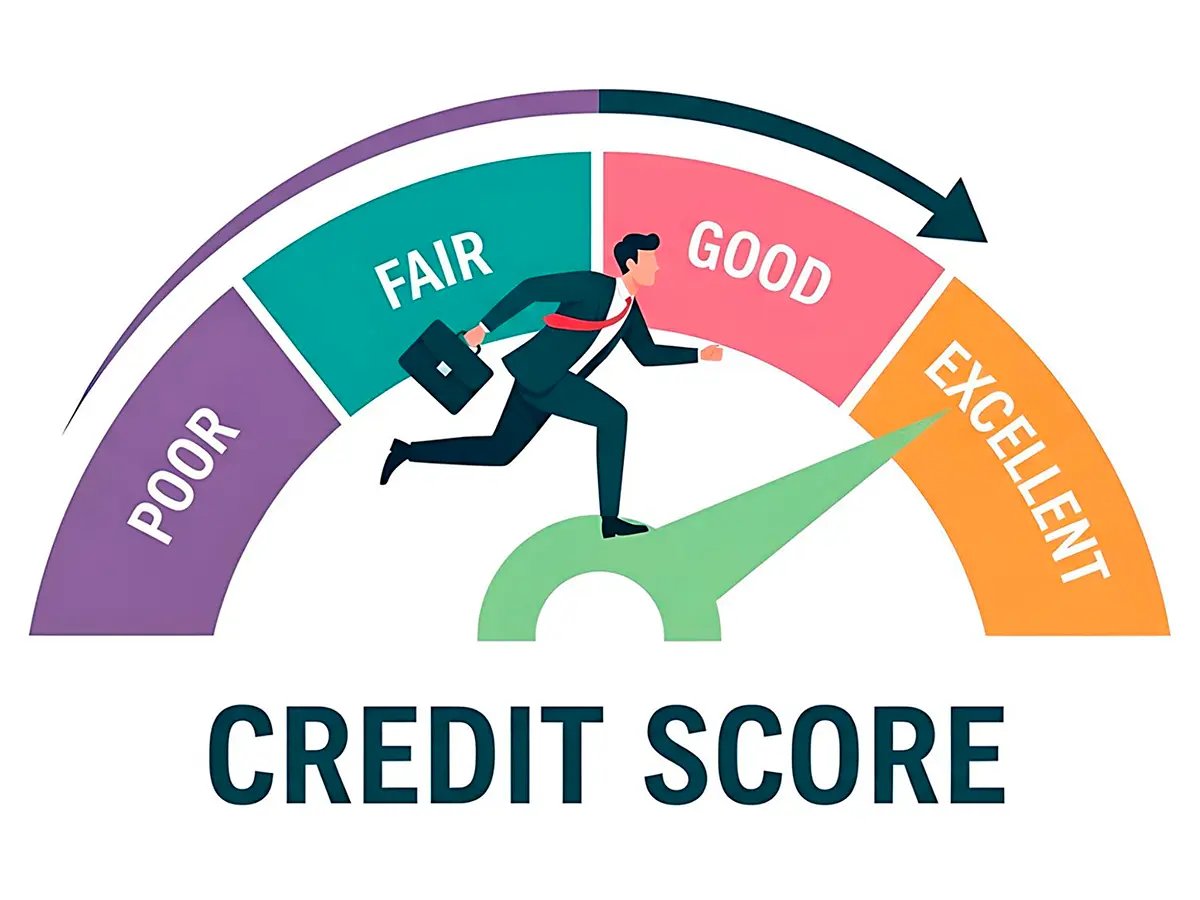
Built around established U.S. credit reporting practices and dispute procedures under the Fair Credit Reporting Act (FCRA). No unrealistic promises—just clarity, documentation, and structured credit improvement.
Unlock more options
Choose the outcome you care about. We’ll outline what improves it—and what to watch for—so you can move forward with confidence.
Your path to stronger credit
A stronger credit profile can mean better approval odds, improved loan terms, and more financial flexibility. Get a clear, no-fluff overview of what credit improvement can help you achieve — then take the next step when you're ready.
Credit decisions in the U.S. are typically influenced by payment history, utilization ratios, account age, recent inquiries, and the accuracy of reporting across major credit bureaus.
Even small inconsistencies can affect lending algorithms. A structured credit improvement approach focuses on verified data, responsible usage patterns, and consistent financial behavior.
*Results vary. This page does not guarantee outcomes.
How it works
A straightforward workflow used by reputable credit‑support programs: review, challenge what’s questionable, and build stronger habits while updates are processed.

Review your starting point
Clarify your goal and look at what’s currently affecting approvals and terms.

Identify what can be challenged
See what information is typically needed, what to expect next, and how the workflow usually looks.

Move forward
Continue to explore available options and take the next step toward better credit outcomes.
clean up your credit with evidence-led steps that actually stick
Start with data, not assumptions
Credit repair works best when awareness is high and motion is efficient. Pull full reports from all three bureaus, then annotate: wrong names or addresses, duplicate accounts, late payments, collections, and utilization. Calculate utilization per card and overall - balance divided by limit. Scores respond most quickly when reported utilization drops below 30%, and many see steadier gains under 10%. Document everything; a clean log saves hours later.
What to fix first: a comparison
- High utilization: Often the fastest lever. Paying a card from 80% to 20% before the statement date can move a score within one cycle.
- Late payments: Heaviest long-term weight. Set autopay for minimums, then ask lenders for a one-time goodwill adjustment if you have solid history; it sometimes works after a documented hardship.
- Collections: Validate first. If accurate, negotiate; some agencies will confirm in writing a "pay for delete," others only mark "paid." Medical collections under small amounts may already be disappearing in updated models - check policy details.
- Reporting errors: Dispute with concise evidence (statements, letters, receipts). Bureaus generally have ~30 days to investigate; precise exhibits beat long essays.
Efficient sequence
- Record baseline scores and a ranked issue list.
- Lower utilization on the most maxed-out revolving lines before tackling low-APR installments.
- Dispute provable errors with dated documents and a short narrative.
- For verified collections, negotiate in writing; pay only after terms are clear.
- Build positive data: on-time payments, a small secured card, or a trusted authorized-user line that reports low utilization.
Real-world moment: during a lunch break, I opened my report in a cafe and noticed Card B at 78% while Card A sat at 12%. I sent $150 to Card B two days before its statement date. The next month, my score nudged up - modest, but measurable - and the budget still balanced. Restrained optimism beats heroic plans.
Snowball vs avalanche: test, then commit
Compared head-to-head, avalanche (highest APR first) usually saves the most interest, while snowball (smallest balance first) often sustains motivation. Run a two-billing-cycle trial on paper: which path reduces total interest and keeps you consistent? Choose the winner and stick with it for six months.
Timelines and expectations
Utilization fixes can register in weeks. Late-payment goodwill or disputes take months. Collections and charge-offs vary; settlements help the risk profile but won't erase history unless deleted. Major derogatories fade with time; steady on-time behavior for 12 - 24 months can outweigh a past slip. Progress is real, not instant.
Automation and safeguards
- Autopay minimums for every card; schedule an extra mid-cycle payment to reduce what gets reported.
- Alerts for statement dates and utilization thresholds (30%, 10%).
- Pause new applications; if impulse is a risk, consider a temporary credit freeze and keep a note of PINs in your log.
Escalate only when needed
If a bureau or furnisher fails to correct verified errors, escalate with a clear timeline, copies of prior letters, and a concise summary. Keep the tone factual. Measure monthly, not daily, and let the compounding effect of small, efficient moves do the heavy lifting.
In this post, we'll give our best advice on how to fix bad credit, discussing tried and true credit repair strategies for short-term improvement and long-term ...
Here are five action steps (plus some resources) that will help you improve your credit score and keep your credit reports accurate.
Wondering how to clean up your credit report? Don't worry--we've got you covered. Keep reading to learn more.
Frequently asked questions
A clear next step — without the guesswork
See what’s impacting approvals and what may deserve a closer look.
Understand how disputes are structured and what documentation matters.
Improve utilization, consistency, and long-term credit stability.
See what improving your credit could change
Take a structured next step based on your current profile — and decide with clarity.